
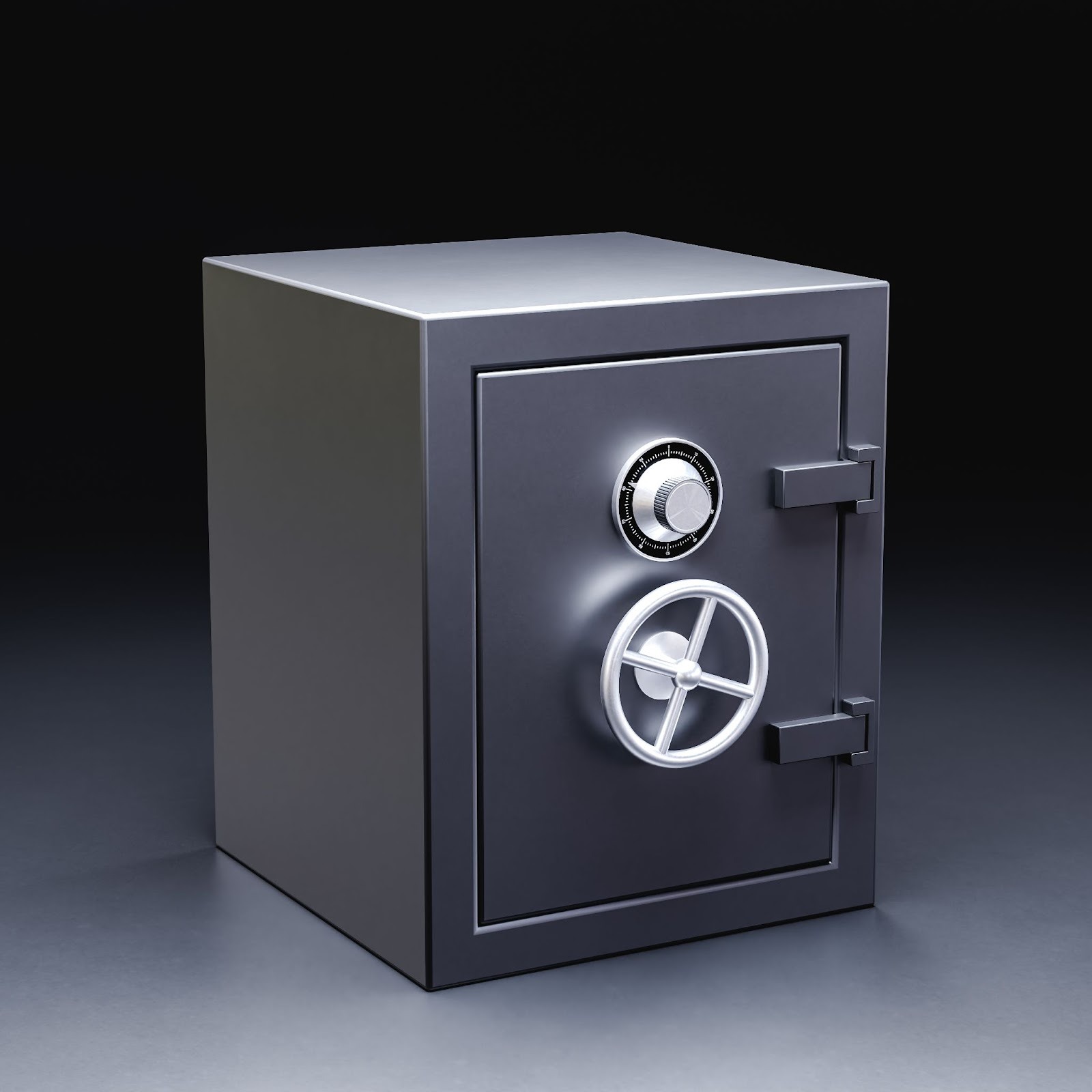
Moving a safe often feels manageable until the weight and balance become real obstacles. Many homeowners and business owners face unexpected strain when handling these heavy units. A safe protects valuables, yet relocating it introduces risks to both people and property. Poor planning can damage floors, walls, and the safe itself within minutes. A structured approach helps reduce risk while keeping the process controlled and efficient.
Understanding Safe Moving Challenges
A safe presents unique challenges due to its dense weight and compact shape. This structure makes it harder to grip, lift, and control compared to regular furniture. The risk increases when navigating tight spaces or uneven surfaces. Understanding these factors helps you prepare for safer handling and fewer disruptions.
Why Moving a Safe is Difficult
Moving a safe becomes difficult because its weight concentrates in a small footprint. This design limits grip points and forces you to rely on tools rather than your hands. The rigid structure does not flex to fit into tight spaces, making movement through doorways difficult. Even slight tilting can shift balance and increase the risk of tipping. This imbalance poses a danger to both movers and the surrounding property. Additionally, uneven surfaces or slopes add more pressure during transport.
Types of Safes and Their Weight
Safes vary in size, structure, and intended use across homes and businesses. A small home safe may weigh under 200 pounds, while larger gun safes can exceed 800 pounds. Office safes often store documents and cash, and they typically weigh between 300 and 1,000 pounds, depending on size and fire rating. Commercial safes, such as those used in retail or banking, can weigh several thousand pounds due to reinforced steel and advanced locking systems. This variation affects how you plan your move and your equipment needs. Knowing your safe’s type helps you choose the safest handling method.
Risks During Safe Relocation
Moving a safe carries risks that affect both people and property. Improper lifting can lead to back injuries or crushed fingers. Floors may crack or dent under concentrated weight, especially wood or tile surfaces. Walls and door frames can suffer damage when space is tight. This risk increases when movers rush or skip protective steps. Careful handling reduces these dangers and keeps the process under control.
How to Plan Your Safe Move Properly
Planning defines the success of moving a safe from start to finish. A clear strategy reduces delays, confusion, and unexpected obstacles. Every step should consider space, tools, and team coordination. This preparation creates a smoother and safer moving experience.
Measure Pathways and Entry Points
Start by measuring doorways, hallways, and staircases along your route. Compare these measurements with the safe’s height, width, and depth. Tight corners may require temporarily repositioning or removing doors. This preparation step prevents getting stuck midway through the move. Clear obstacles such as rugs and furniture to create a direct path. A clean route allows steady movement and reduces interruptions.
Select Proper Moving Equipment
Using the right equipment makes moving a safer and more manageable process. A heavy-duty appliance dolly supports weight and improves balance during transport. Straps secure the safe and prevent unwanted shifting. Plywood sheets help distribute weight and protect flooring surfaces. This equipment choice reduces strain on your team and lowers the chance of damage. Basic tools often fail under heavy loads, which increases risk.
Organize a Skilled Moving Team
A reliable team improves safety and efficiency when handling heavy safes. At least two or three people should assist with lifting and guiding. Each person should understand their role before movement begins. This coordination prevents sudden shifts or miscommunication during the process. Strength alone does not replace teamwork and timing. A well-organized group handles the task with greater control.
Floor Load Check Before Moving a Safe
Floor load capacity is the maximum weight a surface can safely support. A safe concentrates weight in a small area, increasing pressure on the floor. Wood framing, especially on upper levels, can struggle under heavy loads. This structural factor often goes unnoticed until damage occurs.
How Floor Load Limits Affect Safe Moves
Floor load limits vary depending on construction type and materials used. Most residential floors in the U.S. support around 40 pounds per square foot under normal conditions. A heavy safe can exceed this limit because its weight is concentrated on a small base. This concentrated pressure can lead to sagging, cracking, or long-term structural issues. Moving a safe across weak flooring increases the risk of damage. Understanding these limits helps you plan safer routes for movement within your space.
Identify Weak Spots Before Moving a Safe
Inspect floors carefully before starting the move to avoid hidden risks. Look for signs like creaking, soft spots, or uneven surfaces. Older homes and some office buildings may have weaker support structures, requiring extra caution. This inspection step helps you adjust your path to avoid vulnerable areas. Use plywood sheets to distribute weight and reduce pressure on weak sections. A simple check can prevent expensive repairs later.
Preparing the Safe for Transport
Preparation protects the safe, your space, and everyone involved. Skipping this stage often leads to preventable damage or delays. A few careful steps make the entire process smoother and more predictable. This preparation work reduces risk and improves handling efficiency.
Empty and Secure Safe Contents
Remove all items from the safe before moving begins. Even small objects can shift and affect balance during transport. Store valuables separately in secure containers for added protection. This step reduces overall weight and improves handling control. Avoid leaving loose items inside compartments that could move unexpectedly. A lighter safe becomes easier to manage and position.
Lock and Stabilize the Safe Door
Secure the safe door tightly before any movement starts. Use straps or tape to keep it from opening during transport. An unsecured door can shift the center of gravity quickly. This sudden change increases the risk of tipping or losing control. Double-check the locking mechanism to confirm it stays closed. A stable door helps maintain balance throughout the move.
Protect Floors and Surroundings
Wrap the safe with moving blankets or padding to prevent surface damage. Use corner protectors to shield walls and door frames. Lay plywood sheets to distribute weight across delicate flooring. This protection reduces the chance of scratches, dents, or cracks. Careful preparation keeps your space intact after the move. Small protective steps can prevent costly repairs later.
Step-By-Step Safe Moving Process
Moving a safe requires a clear sequence of actions for safety and control. Each step builds on the previous one to maintain balance and stability. Skipping steps increases the risk of injury or damage. This structured process keeps the move steady and manageable.
Lift the Safe With Proper Form
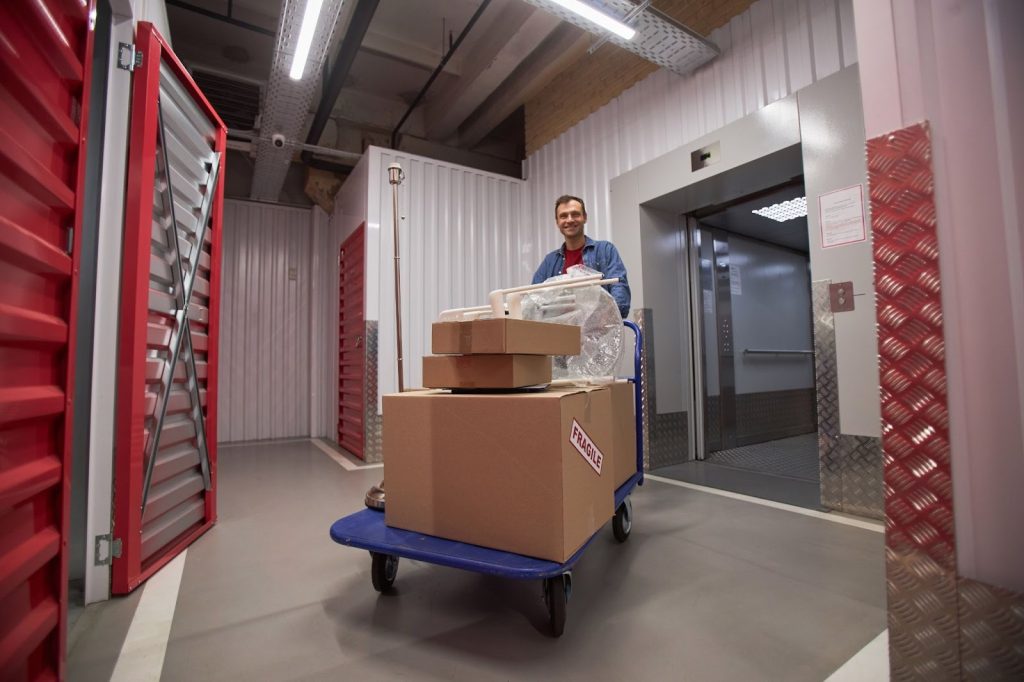
Lift the safe by bending your knees and keeping your back straight. Use your legs to generate power instead of relying on your back. Coordinate with your team to lift together. This alignment prevents uneven weight distribution during the lift. Avoid sudden movements that can shift balance. Controlled lifting reduces strain and improves safety.
Place Safe on a Moving Dolly
Tilt the safe slightly and slide the dolly underneath with care. Secure it with strong straps to prevent shifting during movement. This positioning step keeps the patient safe and stable while transporting. Check that the weight sits evenly on the dolly. A balanced load improves control and reduces tipping risk. Proper setup makes the next steps easier.
Move Across Floors Safely
Push the dolly slowly while maintaining full control of direction and speed. Avoid sudden stops that may cause the safe to tip forward. Smooth surfaces make movement easier, but caution still matters. This movement requires steady pacing to maintain balance. Clear the path ahead to prevent obstacles. Consistent motion keeps the process controlled.
Load the Safe Into a Truck
Use a strong ramp to guide the safe into the vehicle—position one person below and others above for support. Move slowly to prevent slipping or imbalance on the incline. This step requires careful coordination between all team members. Secure the safe with straps once inside the vehicle. Proper loading prevents shifting during transport.
Common Safe Moving Mistakes to Avoid
Mistakes during safe moving often lead to injuries or property damage. Many of these errors come from rushing or poor planning. Recognizing these issues helps you avoid unnecessary setbacks. This awareness leads to a safer and more efficient process.
Underestimating Safe Weight Risks
Many people misjudge the weight of a safe before moving it. This mistake leads to strain, loss of control, or dropped equipment. Safes use dense materials that make them heavier than expected. This misunderstanding creates dangerous situations during lifting. Always check the weight before planning your move. Accurate information helps you prepare properly.
Skipping Proper Moving Tools
Skipping proper tools makes moving a safe far more difficult. Without a dolly or straps, controlling the safe becomes challenging. This lack of support increases the chance of accidents and damage. Proper equipment provides stability and reduces physical strain. It also allows smoother movement across different surfaces. Using the right tools improves safety and efficiency.
Rushing the Moving Process
Rushing through the process increases the likelihood of mistakes. Each step requires attention and coordination between team members. This haste can lead to poor positioning or sudden imbalance. Taking your time allows careful adjustments when needed. A steady pace keeps the safe under control throughout the move. Patience often results in a smoother outcome.
Why Hiring Professional Movers for Safes Matters
Hiring professional safe movers provides a safer, more controlled way to handle heavy relocations. Complex moves often involve tight spaces, heavy loads, and time pressure. These conditions increase the risk of injury and property damage without proper experience. This decision helps reduce stress while improving overall efficiency.
When to Hire Professional Safe Movers
Hire professionals when dealing with extremely heavy or oversized safes. Multi-level homes and staircases create added difficulty during transport. Narrow hallways and limited access points further complicate matters. This situation becomes harder without specialized equipment and training. Time constraints can further affect safety and coordination. Professional movers handle these conditions with better control and precision.
Benefits of Professional Safe Moving Services
Professional movers use specialized tools designed for heavy and dense objects. Their experience allows them to manage complex layouts and tight spaces effectively. This expertise reduces the risk of damage to floors, walls, and the safe. Many companies offer insured services for added protection. This coverage provides reassurance throughout the moving process. Hiring experts often saves time while lowering the chance of costly mistakes.
Move a Safe With Precision and Control
Move a safe with precision and control to avoid setbacks that cost time and money. Every decision, from planning to placement, shapes how smooth the process becomes. This effort demands attention to detail, not just strength or speed. A careful approach reduces risk while protecting your space and equipment. Commit to doing it right from the start to avoid problems that are harder to fix later.
Looking for smarter ways to handle moving challenges? Visit the Space Age Movers blog for expert insights and practical guidance you can trust.